
Our trip today started in the sun and this led to me musing on the nature of optimism. In this case, I optimistically believed the forecast that it would be sunny – it was wrong. Dwelling on this a little further I decided that, as sailors, we are fundamentally optimists. We always believe that we will have a perfect sailing breeze (nope), that the sun will come out (nope), that the tide will be with us (nope) and that the sea will be flat (the only thing that did happen today). Nothing illustrates this sense of misplaced optimism better than the amount of sun cream we have on board; we have four containers on board and only one has been started. At the rate we are using it, that one will last until 2035 (depending on the pace of climate change).
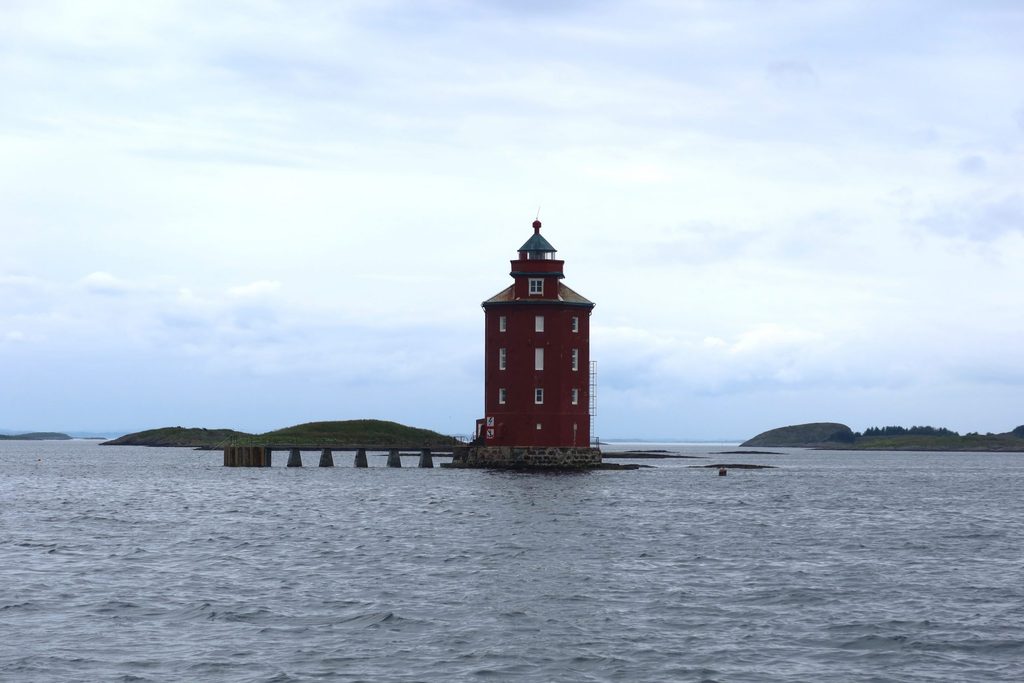
Still, being optimists, we don’t whinge as the next trip will always be better. For the moment though this one was a motor all the way through intermittent rain. One distraction on the way was Kjeungskjær Lighthouse. This was first lit in 1880 and between 1880 and 1947 was a manned lighthouse with a lighthouse keeper and his family living on site. This led one lighthouse keeper (Ingvald Bolsø – 1926-1952) to hire a governess for his children. One imagines that they couldn’t wait to leave home! It was Bolsø who was the lighthouse keeper for one of the more dramatic episodes in the lighthouse’s life. In 1943 he spotted a mine drifting towards the lighthouse and a deep sense of self-preservation led him to grab a boat hook. He managed to push it past and it then drifted towards the breakwater at Uthaug and exploded there. Luckily nobody was injured, but the dent in the breakwater can still be seen. The lighthouse can now be rented as a holiday let …..
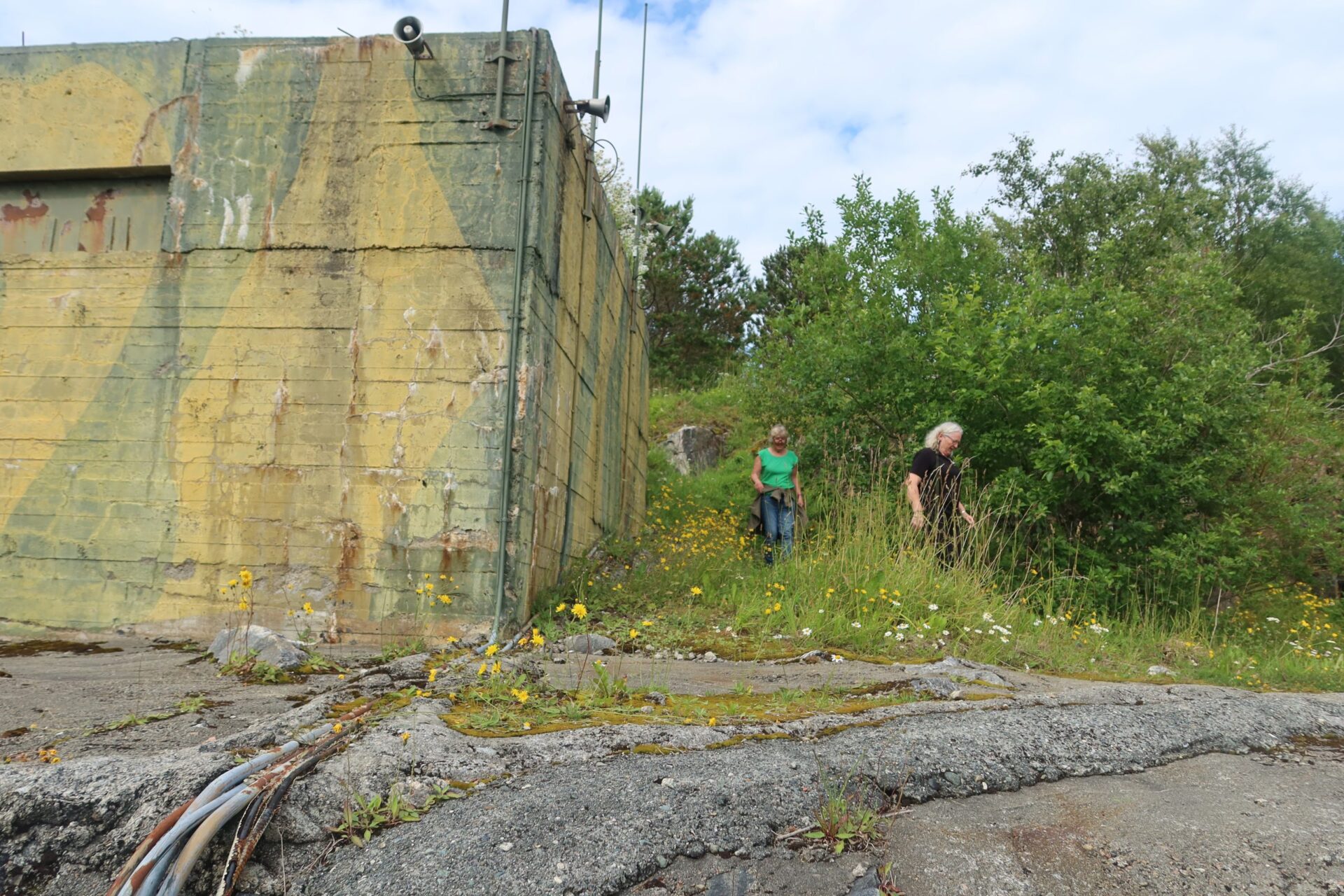
Another couple of hours saw us to Hasslevika and we moored on the outer pontoon. Once settled we headed off for a walk. A sign to the Hysnes military museum prompted us to head over there, not least as a quick internet search revealed that it was only open on Sunday afternoons. We wandered in and, as the only visitors at that time, were greeted by a very friendly couple. They own and manage the museum and are passionate collectors of wartime memorabilia. They bought the fort in 2004 when the military stopped using it as have restored it as a museum to house a small part of their collection. The rest is apparently in sheds in their garden!
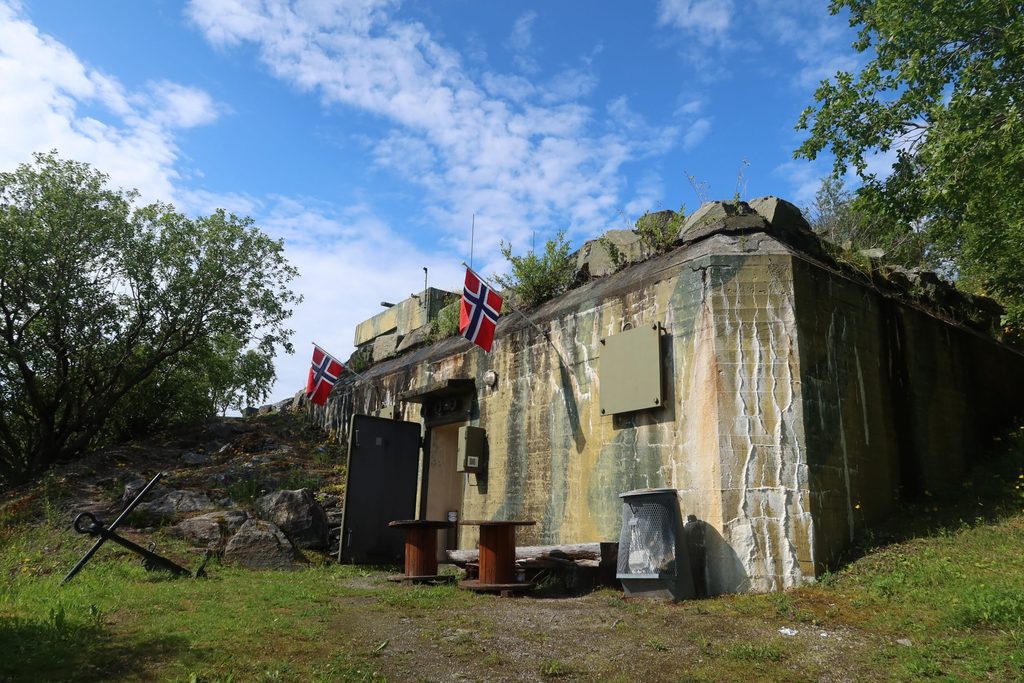
From a fairly inauspicious start, we found the museum fascinating. Lena (the wife) was the only one who spoke English and she gave us a personal tour round all the rooms in the fort. Her enthusiasm about it all was infectious and we were quickly drawn in to the history – one that has encompassed Norwegian and German occupation. They have tried to restore as much original equipment as possible and so have got the archives of the fort ‘newspaper’, the logs of all sightings of vessels and aircraft and an extensive collection of cipher equipment, weapons, control panels and maps and charts. They have done a great job of restoring it to give a sense of what the fort must have been like.
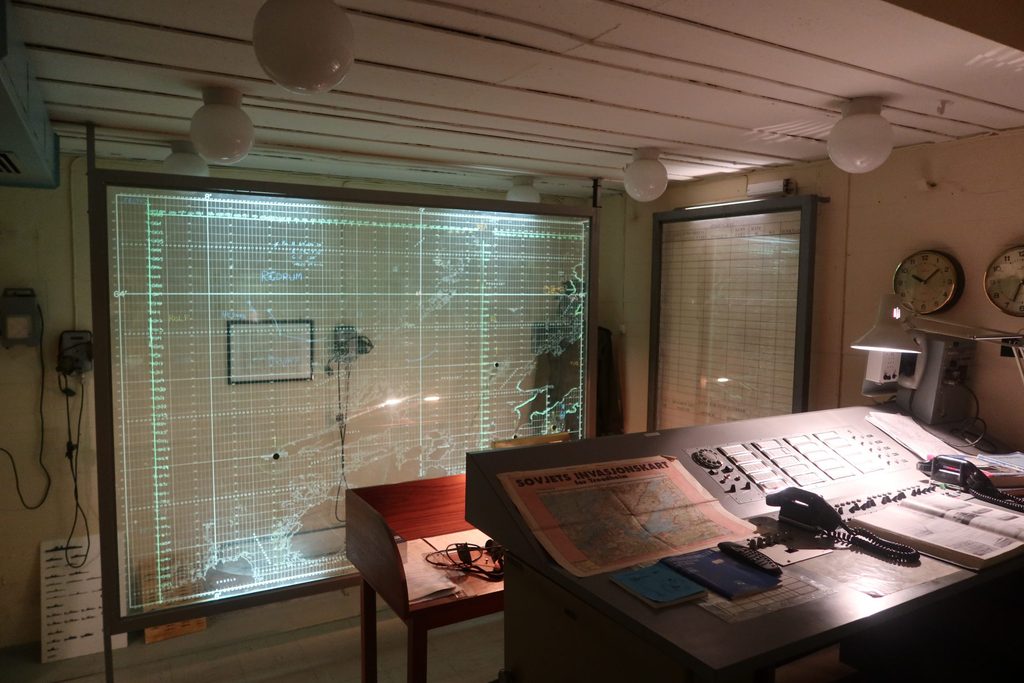
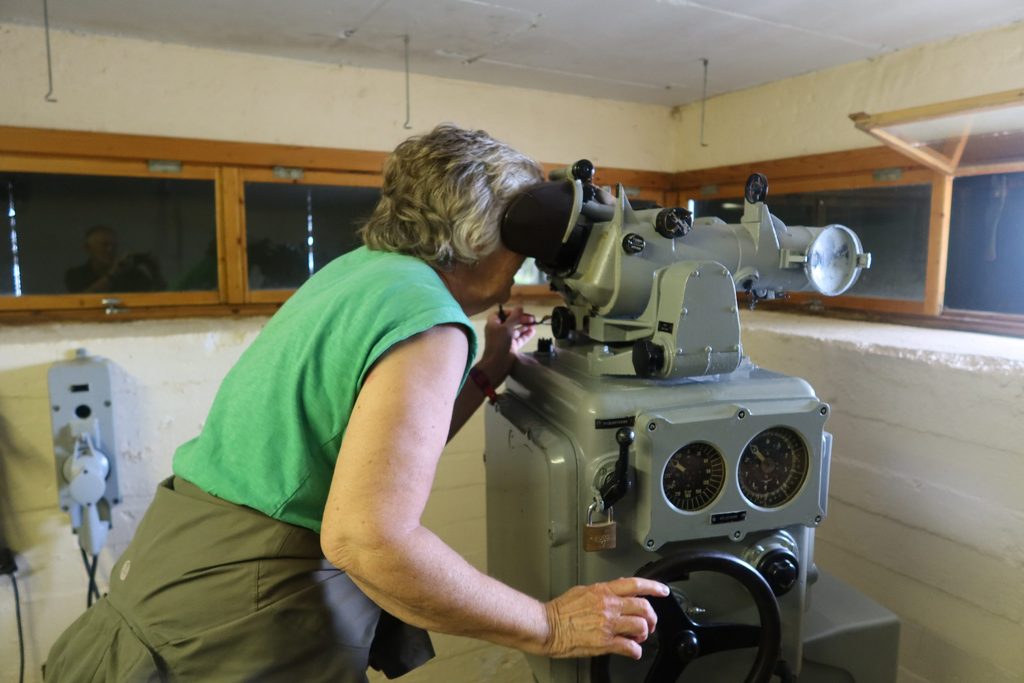
We wandered around Officer’s quarters, control rooms, radio and communication rooms and finally were taken up to the hub – the lookout. This involved heading up a vertical metal ladder – we were encouraged not to fall off, so that covered the health and safety briefing! This lookout was one of the main purposes of the base – to watch for traffic through the Trondheim fjord and help communicate with the guns based elsewhere around the fjord. In the lookout area was a massive static pair of Carl Zeiss binoculars – still working. Through them we could see around 5 miles away to Brekstad and Ørland, giving a panoramic vista of everything coming in and out of the Trondheim fjord. Anne then followed Lena out of the window in the lookout to get back down. I took one look at the window and decided that I might have a ‘Winnie the Pooh’ moment and get stuck, so headed back down the ladder to the entrance.
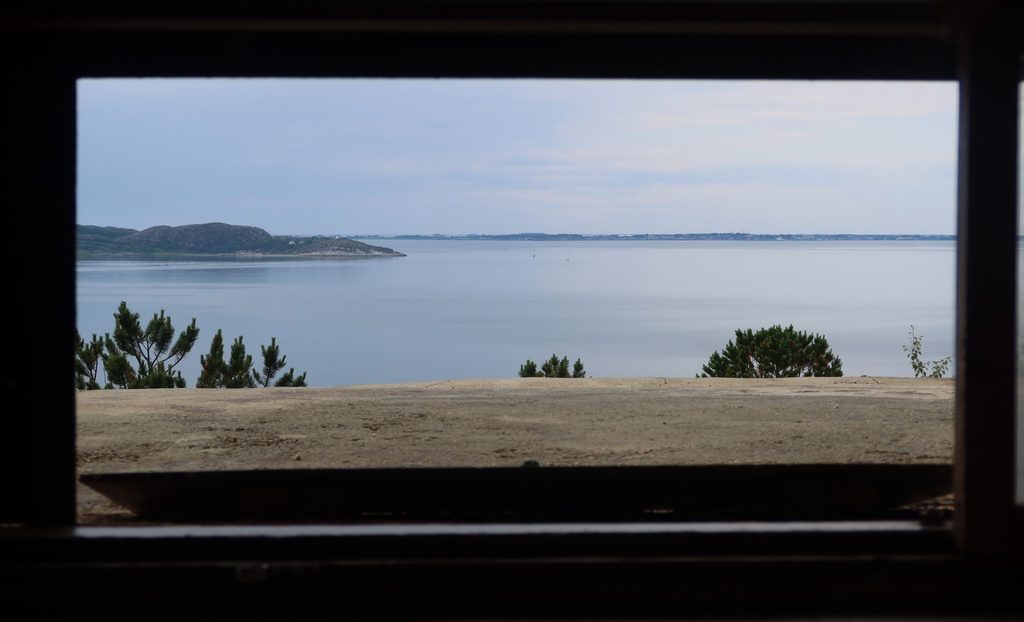
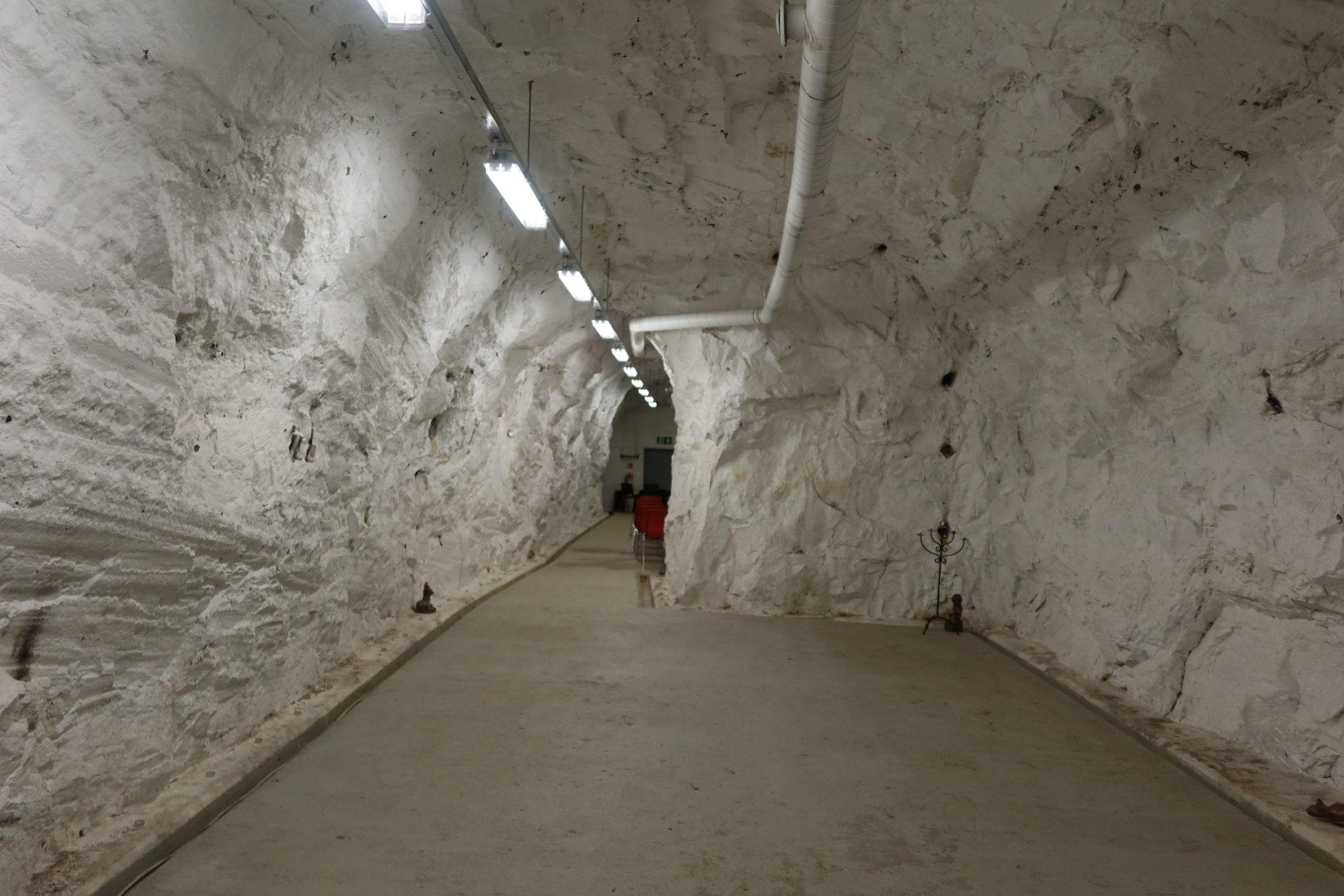
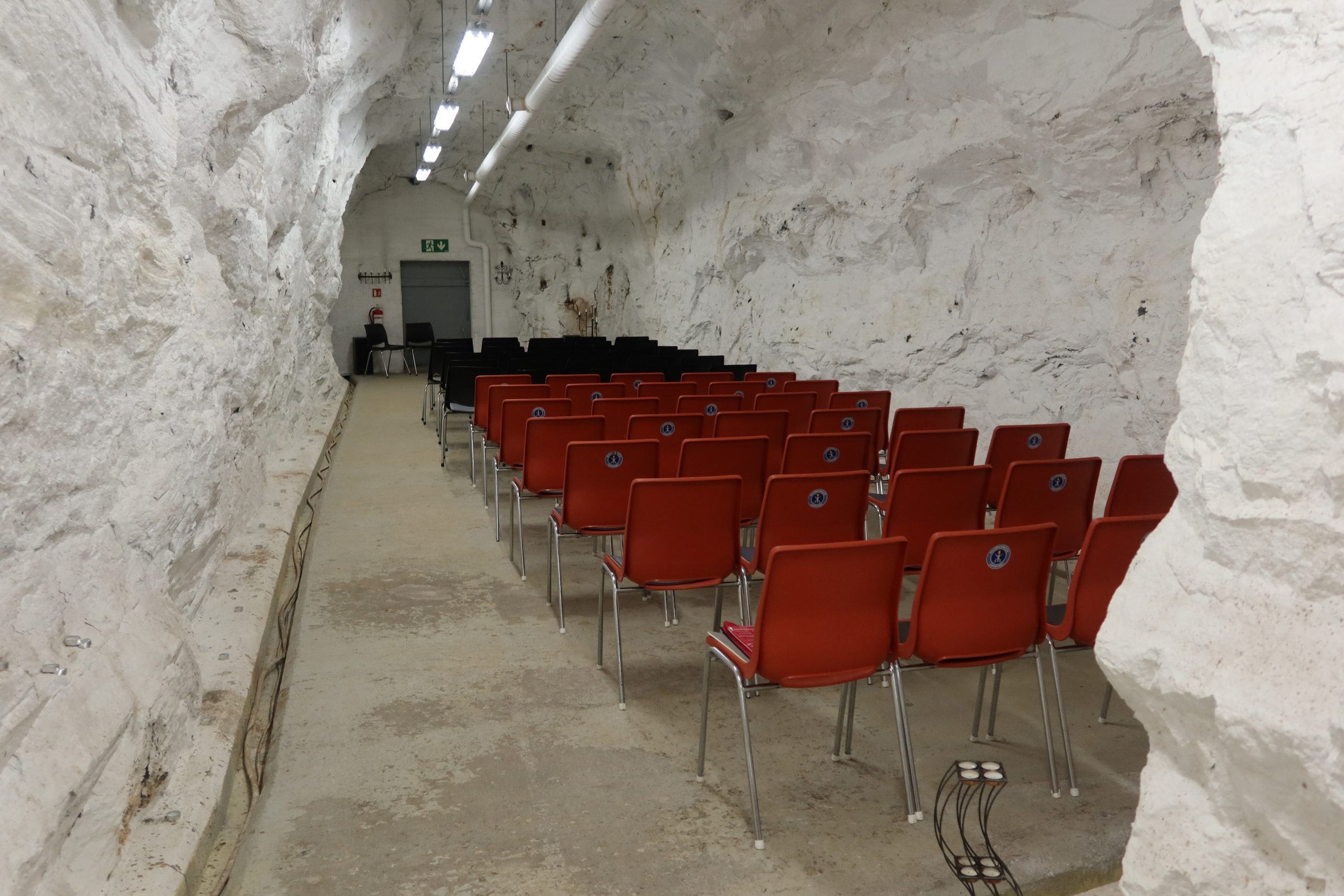
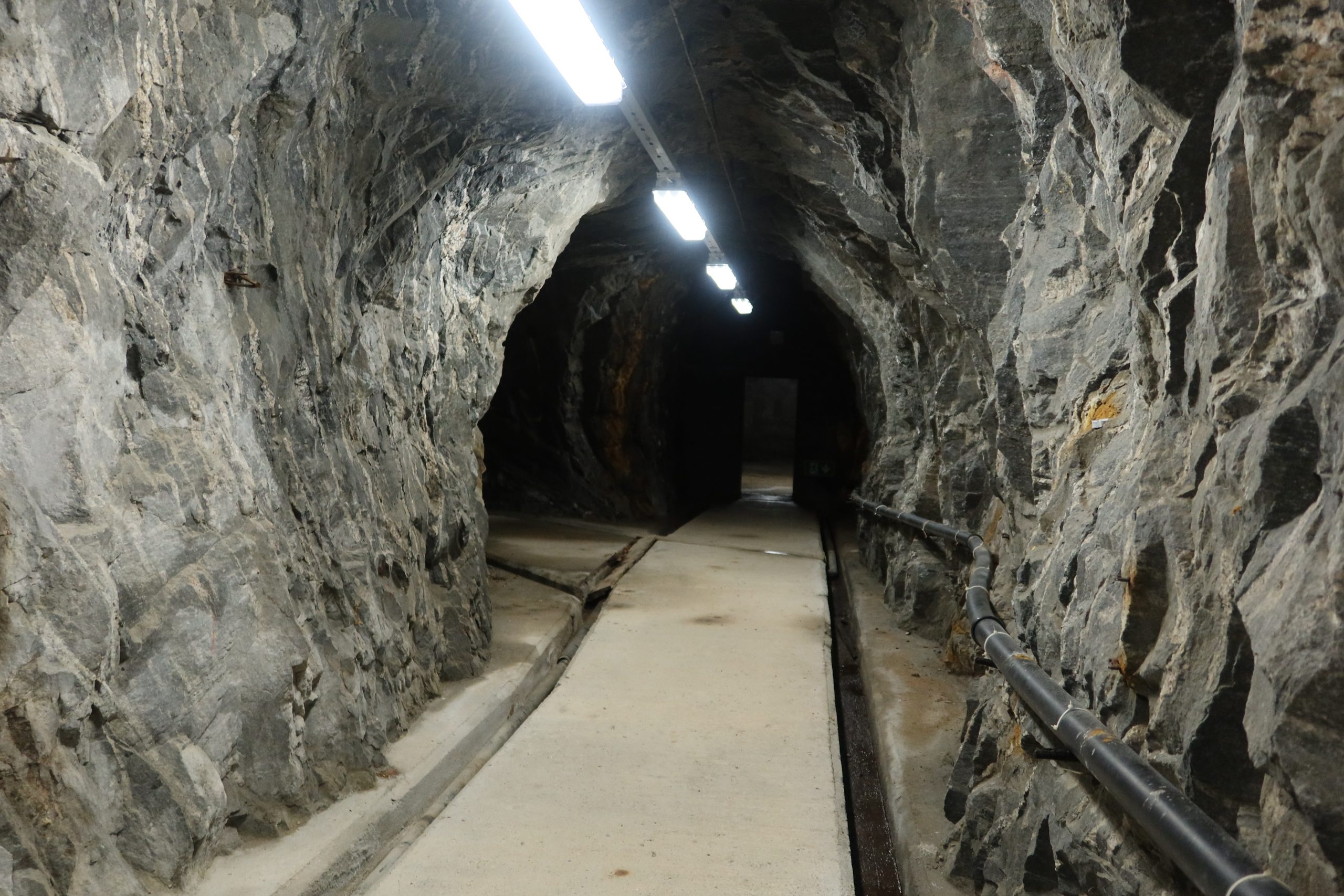
Despite it being closing time for the museum we were offered a coffee and cake and then Lena offered to show us the Fjellhallen på Hysnes. This is the old storage area for equipment, ammunition and explosives and is a series of caverns cut into the rock. The temperature inside is a constant 8 degrees and they have converted some of the caves into a music and events venue. The walls are painted white and they often host weddings and church services as well as concerts. Whenever they are running events, the whole area is candlelit, something which must create a warm and almost intimate ambience; a very suitable contrast to its original purpose. When Lena banged a door the echo reverberated around the caves making us realise that the acoustics would be amazing – if only I had brought a saxophone!
When we got back to the harbour, we were just in time to help in a boat which we had met previously in Kuringvågen. We started chatting further to them and ended up having a drink together in the evening. They were fascinating and made us realise that you should never make assumptions. They were not, as one always tends to assume, partners, but she was a friends of his wife’s and was crewing for him for a couple of weeks for a cruise along the Norwegian coast. He was Norwegian and she was Portugese and, unsurprisingly, both spoke immaculate English. Indeed, he had lived for a year or so in Leamington Spa while his wife worked at the university. The boat is based in Trondheim – almost opposite where Amalia will spend the winter and so he took our contact details and we hope to catch up again in Trondheim.
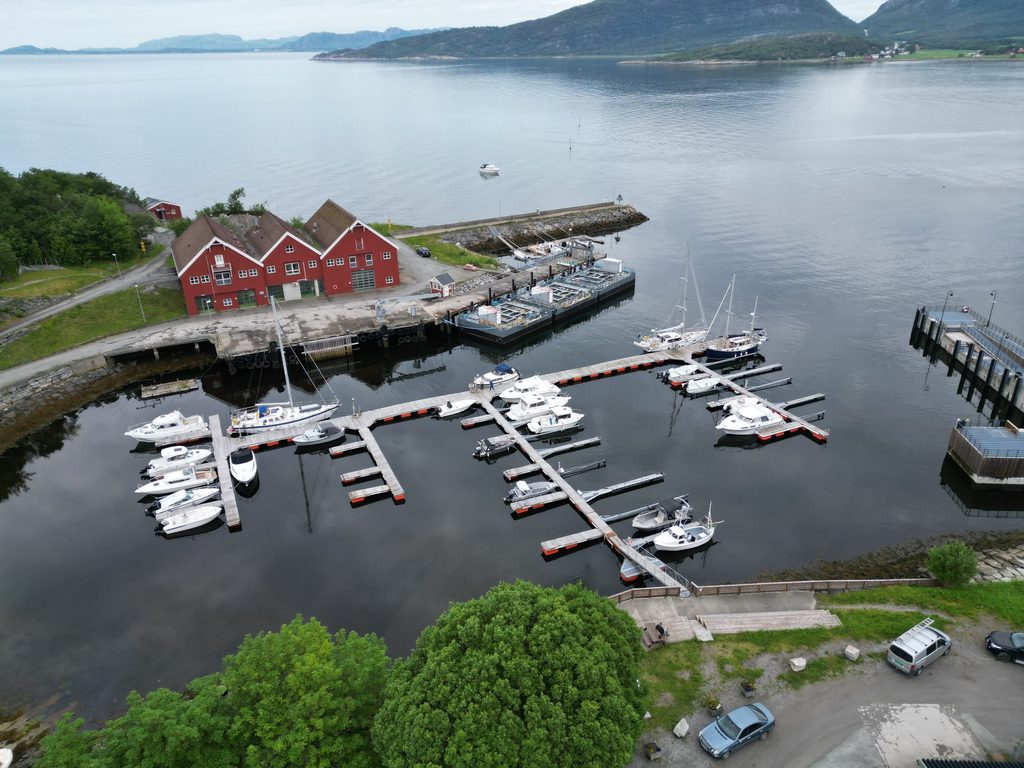
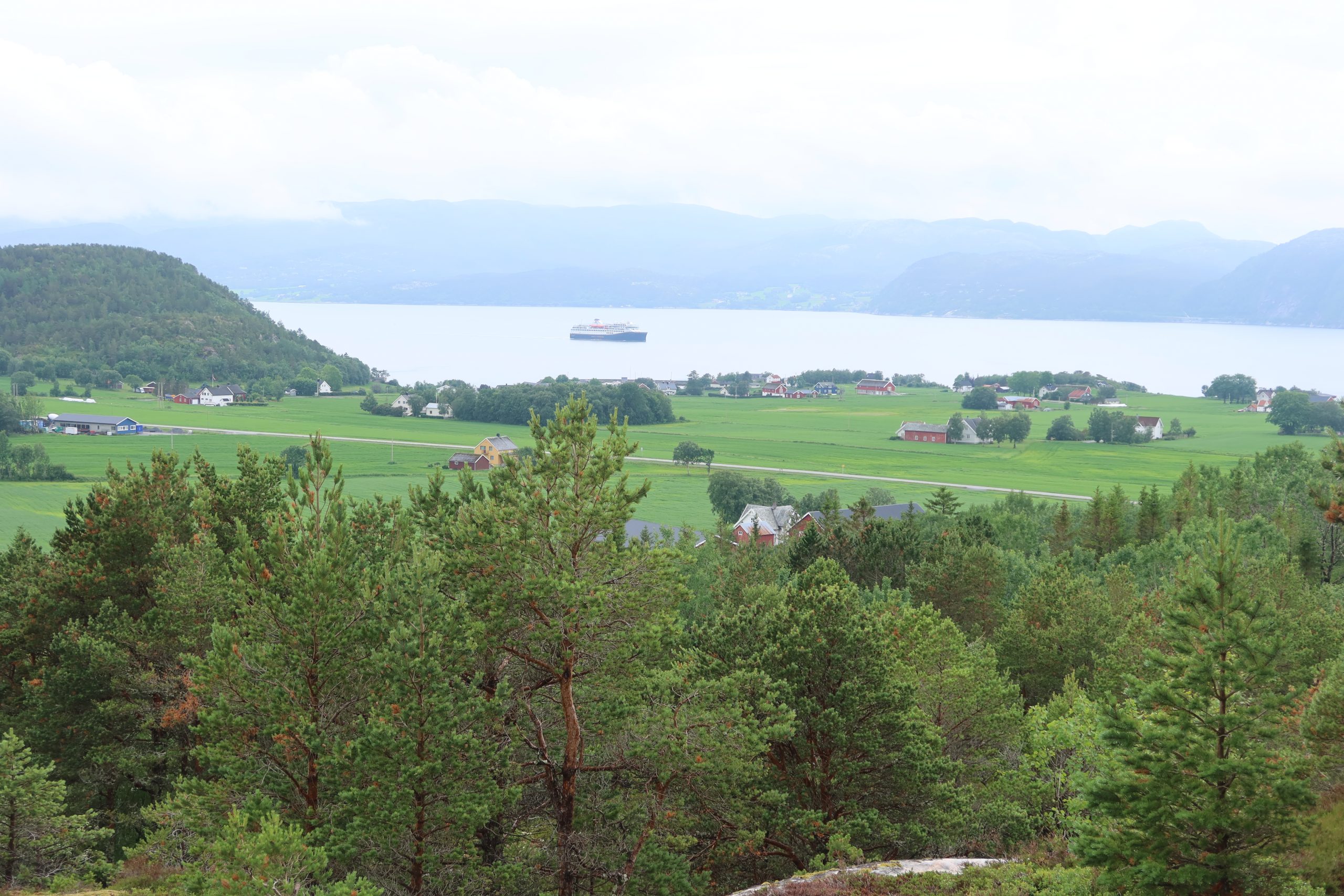
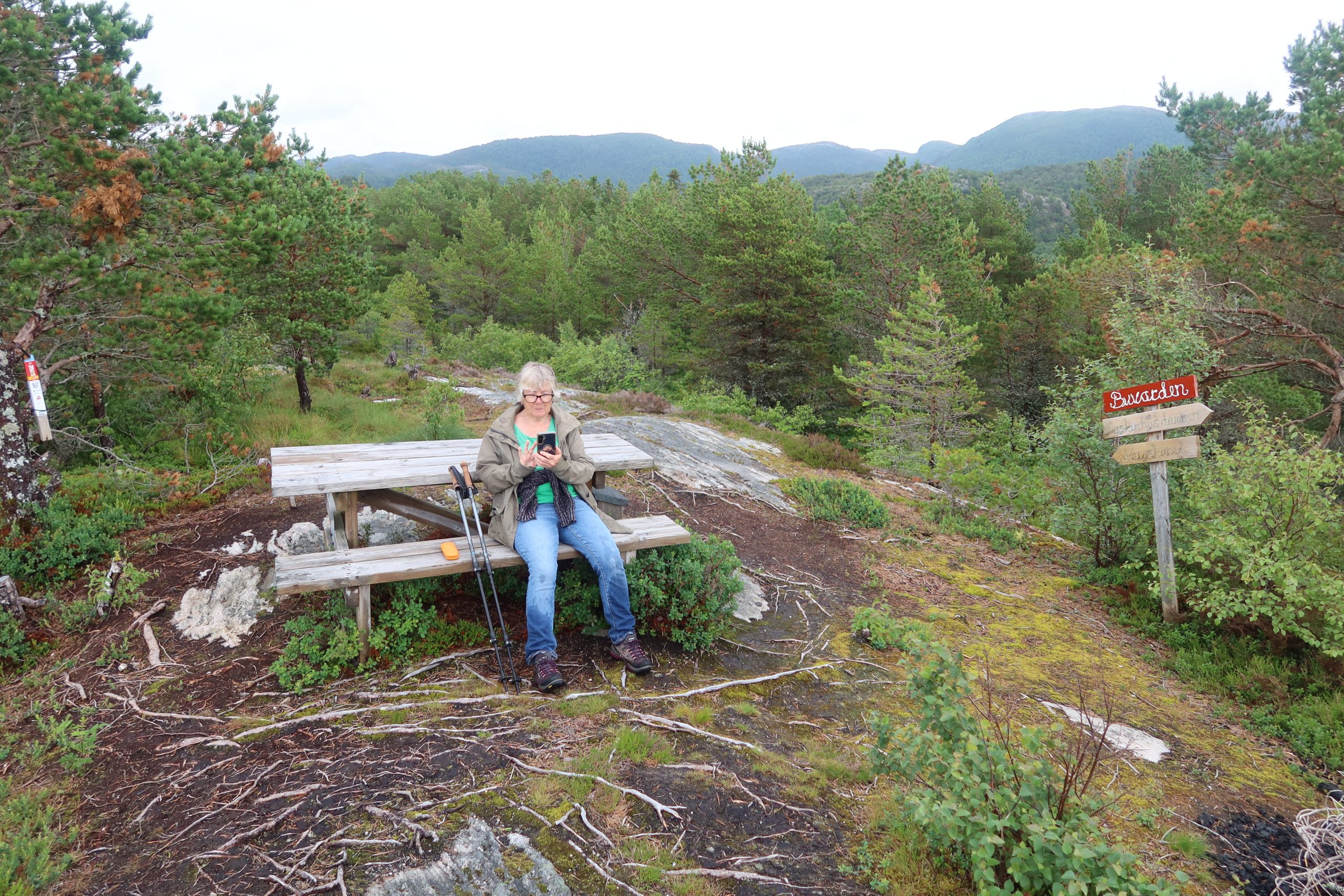
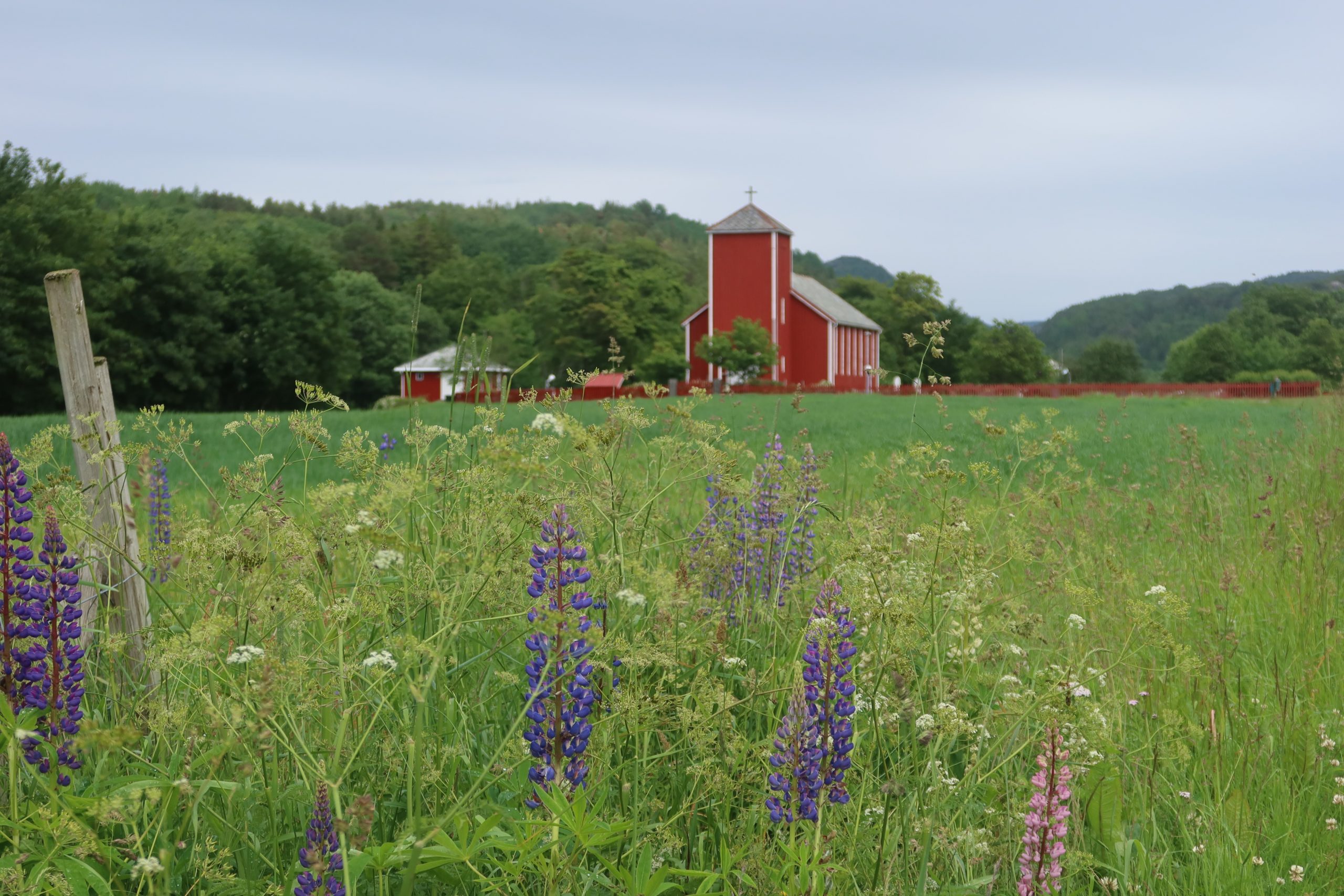
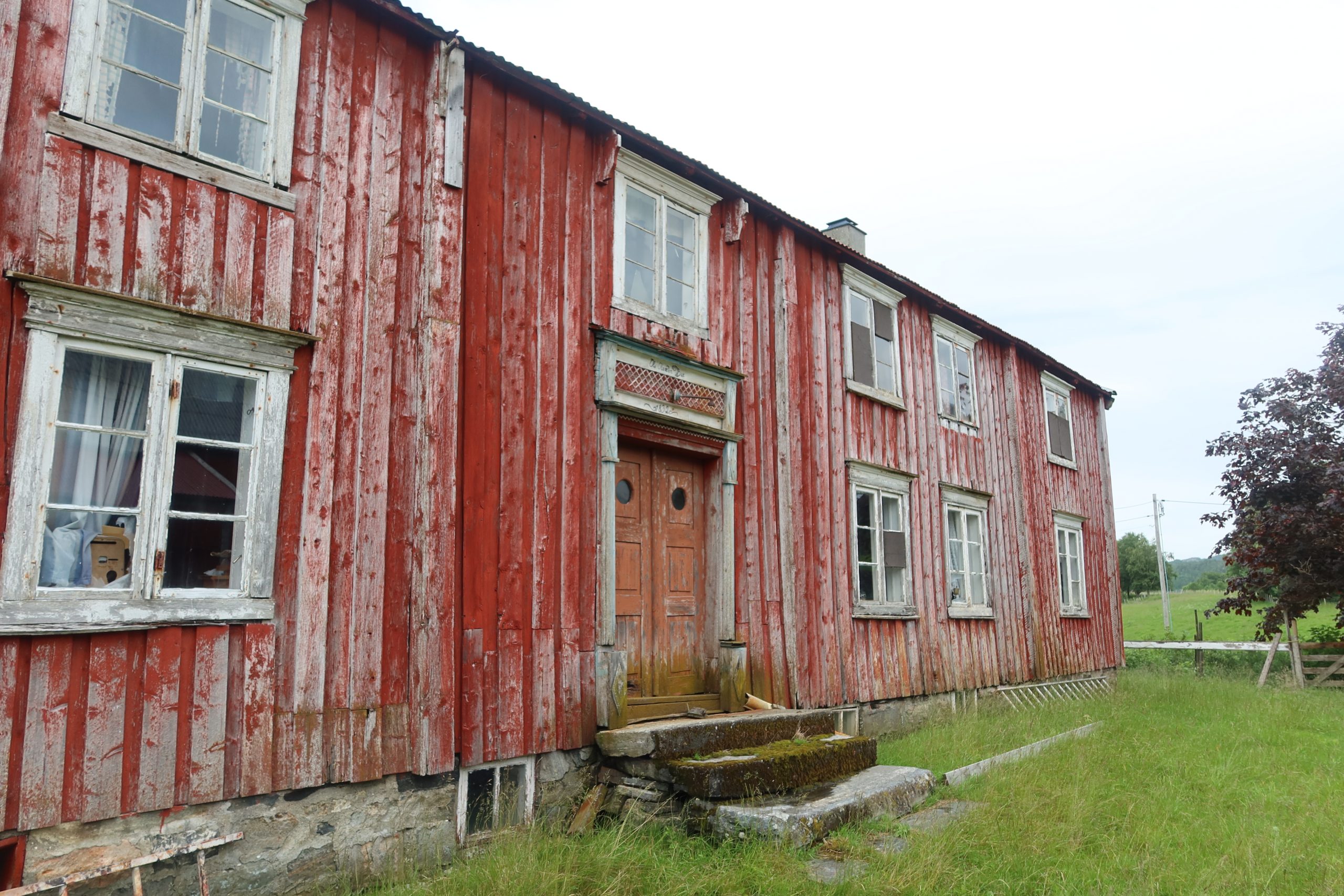
The next day we decided to have a day off in Hasslevika and found an excellent walk. Initially, it went through the woods, but then opened up onto one of the ridges above the Trondheim fjord with fantastic views back along the fjord. From there it descended down to Hasslevika church and round and back to the harbour – a lovely insight into the area.